Newsom Administration trips over itself – again – on forest biomass
Yesterday, Governor Newsom vetoed AB 1666 (Rogers), which would have established multiple policies to support the forest bioeconomy and reduce catastrophic wildfire risk.
The bill had widespread support from environmental NGOs and economic development organizations, practically no opposition, and passed unanimously out of the Legislature.
The bill was crafted to align with existing state policy, including CARB’s 2022 Scoping Plan, the CPUC’s and CEC’s long-range energy plans, and the SB 254 Catastrophe Resiliency Study.
The veto represents a significant setback for local communities and concludes a disappointing eight-year stretch in which no meaningful outcomes were delivered on forest biomass issues in California.
Unfortunately, we’ve been here before
As stakeholders engaged on the issue know well, this is not the first time California has come close to making progress on forest biomass.
Almost four years ago, the Governor’s Wildfire and Forest Resilience Task Force established a working group to develop a state biomass strategy. The strategy was generally very good, proposing actions to improve feedstock supply, build market demand, support technology innovation, and more.
One recommendation, however, proposed recommissioning 3-4 idled biomass electricity facilities. The CPUC raised concerns about energy affordability, while CARB raised concerns about air pollution.
CNRA took a different view, arguing that the facilities were important to meaningfully increase forest biomass utilization. This was perplexing, given the extremely small amount of biomass the facilities could consume compared with the scale of the state’s forest biomass problem.
It would have been possible to remove the contested recommendation and move forward with the remainder of the plan. Ultimately, the strategy never made it out of draft.
AB 1666 (Rogers) as a path forward
Multiple stakeholders that supported the Administration’s efforts turned to the Legislature as an alternative path. Assemblymember Chris Rogers (D-02) shared a similar perspective on the need to make progress on forest biomass as a critical component of the state’s wildfire problem.
AB 1666 focused on supporting non-combustion products and end uses – such as mass timber, clean hydrogen, renewable natural gas, and carbon removal – by addressing three critical obstacles to project development: feedstock supply uncertainty, a lack of market demand, and the lack of an early-stage operating model to support and scale these newer technologies in biomass innovation parks.
This comprehensive approach attracted a first-of-its-kind support coalition spanning environmental organizations, local and regional economic development groups, air pollution control districts, a Tribal government, and biomass technology developers (Figure 1).
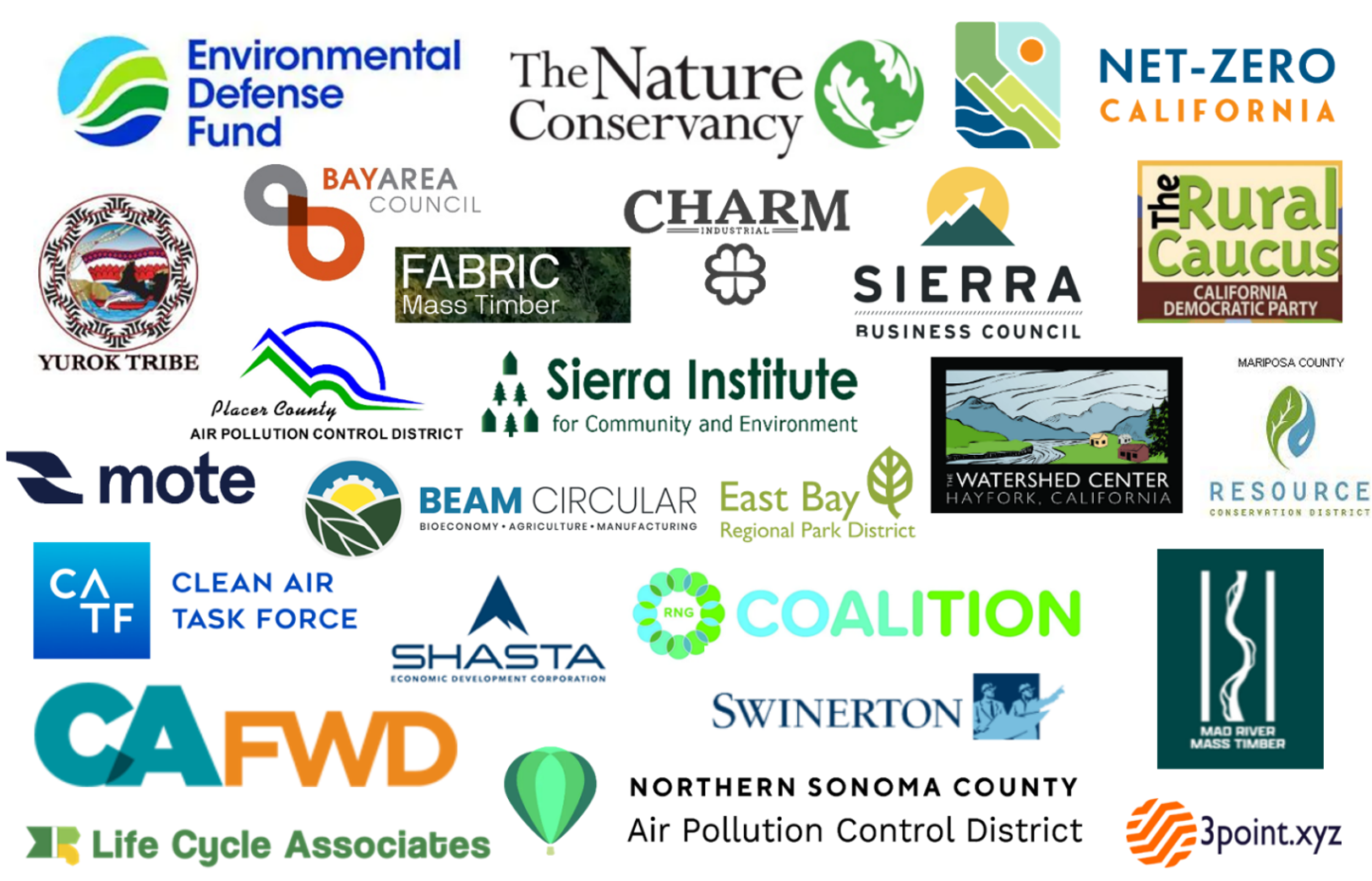
Figure 1: This figure highlights organizations that registered support for AB 1666 (Rogers). For more information, see the bill text and accompanying committee analyses.
In the final weeks of the legislative session, the market demand policies encountered opposition from incumbent industry. Without a signal of support from the Administration, supporters opted to remove those provisions rather than risk losing the broader legislation. The final bill therefore retained two of the three core elements: improving feedstock certainty and developing biomass innovation parks.
The bill passed the Assembly 78-0 and the Senate 40-0 before being vetoed.
What happens now?
There is no doubt that the veto of AB 1666 represents a significant missed opportunity and a blow to stakeholders that spent years trying to help the Administration make progress on this issue.
Perhaps most confusingly, the legislation built directly on the strongest elements of the Wildfire and Forest Resilience Task Force’s draft strategy, while at the same time steering clear of the concerns raised by the CPUC and CARB – making the ultimate veto difficult to understand.
That said, the effort also produced reasons for optimism.
A robust support coalition came together around an issue commonly described as a third rail. A clear set of policy priorities were identified in improving feedstock certainty, developing market demand, and establishing innovation parks. The Legislature also exhibited strong support for the issue and approach, with Assemblymember Rogers serving as a key leader for wildfire and forest biomass issues. These are clear building blocks that can be carried into next year.
A number of state agencies also showed a commitment to the issue and to making progress. The Board of Forestry continued to operate as the main institutional champion and subject matter expert on forest biomass. The Governor’s Office of Land-Use and Climate Innovation and CAL FIRE continued to make progress through their respective grant programs, while CARB invested in increasing its technical capacity through its new carbon management branch.
A key task for the next Administration will be determining how to strengthen and further empower these more constructive state agencies, while avoiding internal bottlenecks to progress.
Unfortunately, the next Administration will still find itself largely at the starting line after what has been a sad and embarrassing eight years for forest biomass policy in California.
* * *