Will the Legislature take action on wildfire mitigation?
With less than two weeks remaining in the legislative session, wildfire reform is one of the biggest unresolved issues in Sacramento.
It is an intimidating landscape. Utilities, insurers, reinsurers, wildfire survivors, consumer attorneys, hedge funds, and local governments all have critical interests at stake. The policy issues are complex. Billions of dollars hang in the balance.
Much of the debate comes down to a key question: who should pay for the cost of wildfires in California? It is clear the state's current system needs reform. Investor-owned utilities – and, importantly, their ratepayers – are overexposed to the cost of catastrophic wildfires. The Administration’s proposal would shift more of those costs to insurers, primarily by eliminating insurer subrogation, while also capping certain damage claims and changing the way consumer attorneys recover their fees.
There are legitimate tradeoffs here, and there is room to disagree about where the balance should land. But for all the complexity, we should not lose sight of a fundamental point: these reforms simply change who foots the bill. They do nothing to reduce the likelihood of the next wildfire occurring, or the damage it could cause.
This requires wildfire mitigation. And at this point in the negotiations, mitigation appears to be struggling to become a priority.
The troubled state of wildfire mitigation
These numbers have been reported previously, but they bear repeating: California currently invests roughly $500 million per year in broader wildfire mitigation. The SB 254 Catastrophe Resiliency Study identifies a need for $4-7 billion per year.
The takeaway: California is operating at one-tenth the level of investment it has itself identified as necessary to achieve wildfire resilience.
This is the reality of the state's current mitigation paradigm. There are reasons for it, including the increased emphasis on emergency response as the wildfire crisis has escalated. But that doesn't change the fact that California remains in a deep mitigation hole – and urgently needs to climb its way out.
The Administration's Term Sheet identifies an initial list of mitigation policies that could form part of a wildfire reform package (Table 1). While the list includes many useful bills, compared to the scale of the problem, it is a modest proposal. The Administration has stated that it views its proposal as a starting point and is open to additional policy ideas from the Legislature.
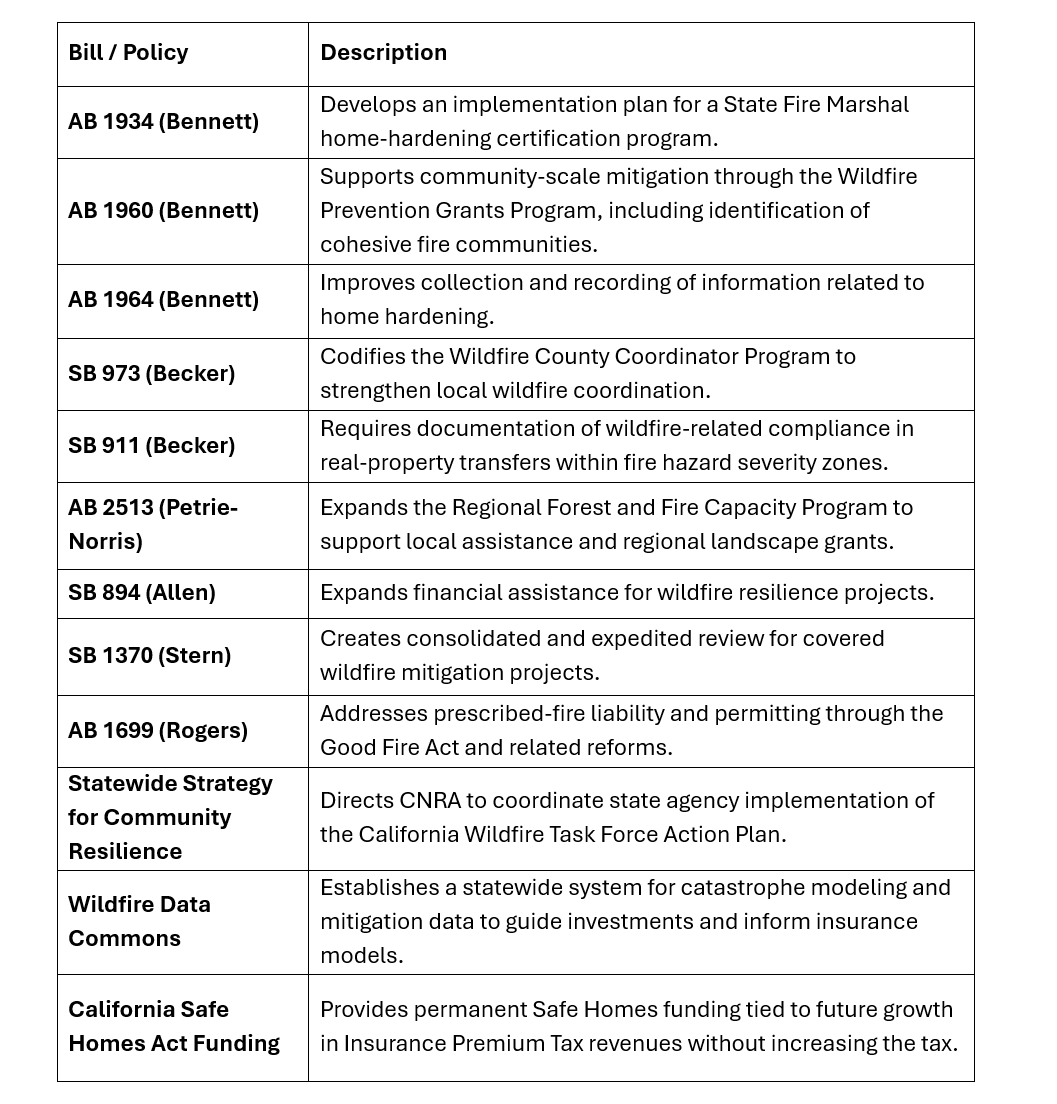
Figure 1: List of mitigation bills and policies identified in the Administration's Term Sheet.
A centralized fund to support regional and local mitigation
California does not lack wildfire mitigation projects. State agencies, local governments, RCDs, Fire Safe Councils, NGOs, and others have extensive project pipelines. What they lack is sufficient funding to implement them.
This is the key gap in the Administration's Term Sheet. California needs substantially more mitigation funding. Given the scale of the need, the state also needs to make every available dollar count.
One approach is to create a centralized fund that pools capital from multiple sources – including key beneficiaries of wildfire resilience, such as insurers, utilities, and local governments – and directs it toward the highest-priority mitigation projects across the state. Figure 2 provides a high-level illustration of this structure and the potential sequence from fund capitalization to project delivery.
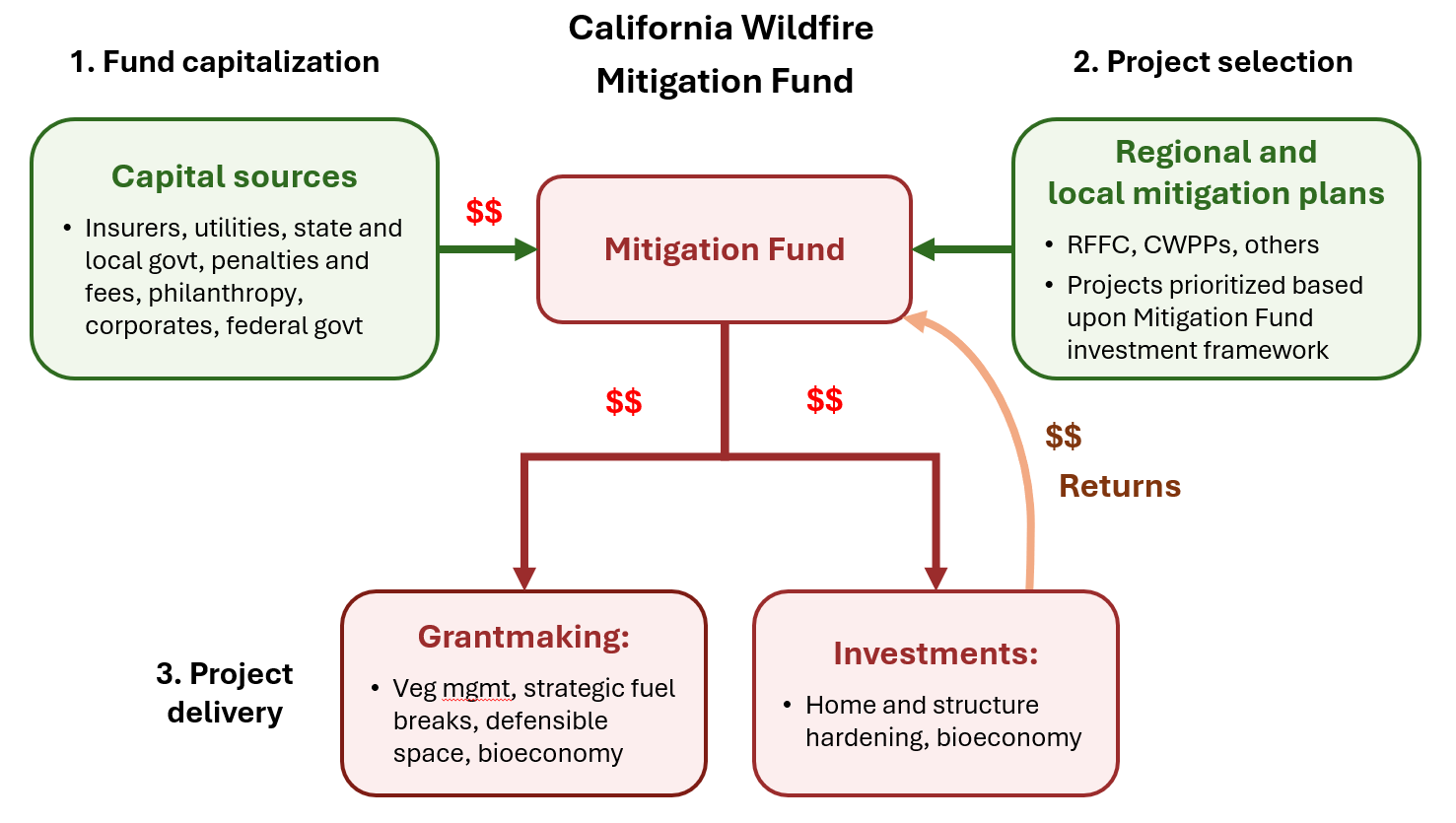
Figure 2: Basic structuring of a potential centralized mitigation fund.
Key features of this policy could include:
Fund capitalization. Pool capital from insurers, utilities, state and local governments, philanthropy, federal funding, penalties and fees, and other sources and deposit into the fund.
Fund administration. Identify a fund administrator to develop fund strategy, determine eligible projects, and review and approve project funding and financing proposals.
Capital allocation framework. Establish a framework to prioritize projects based upon transparent criteria, such as wildfire risk reduction.
Project selection. Leverage existing regional and local plans, including Regional Forest and Fire Capacity priority strategies and Community Wildfire Protection Plans, to identify projects for prioritization and funding.
Project delivery. Deploy capital through a mix of grants and loans, using existing programs wherever possible and supporting financing for projects such as home hardening where capital can be repaid and recycled.
A number of complementary policies could help scale mitigation and make available dollars go further.
One key opportunity is to implement a portfolio of property-level financing tools for home and structure hardening. SB 894 (Allen), which would establish a loan-loss reserve to expand access to financing, is one important approach. Alongside this, California should develop property-assessed and on-bill financing mechanisms, which would provide additional, scalable structures for homeowners to finance and repay the cost of mitigation, with appropriate consumer protections.
Another opportunity is strengthening California's forest bioeconomy. AB 1666 (Rogers) would address feedstock supply barriers, strengthen regional supply chains, support wood processing efficiencies, and de-risk investment through Biomass Innovation Park. By expanding markets for material removed through forest treatments, these reforms can help offset the cost of vegetation management.
“Nothing changes if nothing changes”
Policymakers routinely describe California as facing a wildfire “crisis.” At this stage, it remains to be seen whether that language is simply rhetorical, or whether it will translate into action that meets the scale of the problem.
The liability question is hugely important. California needs a more sustainable system for allocating the costs of catastrophic wildfires. At the same time, a wildfire reform deal without mitigation would be an egregious missed opportunity. At a minimum, policymakers should establish architecture for a centralized mitigation fund and provide initial capital, with plans to expand capital sourcing over time.
California cannot continue to wait for the next catastrophic wildfire and then debate who should pay for it. If this is truly a crisis, reducing wildfire risk needs to be a central part of the solution.