Wildfire reforms should reduce risk, not just redistribute costs
Catastrophic wildfires are at the heart of California's affordability crisis. Every year, Californians pay the price through higher utility bills, rising insurance premiums, and billions in taxpayer-funded emergency response.
Policymakers are considering reforms for how to manage these costs, with much of the debate focused on how they should be distributed. But changing who pays doesn't solve the more fundamental problem: how do we reduce the cost burden altogether?
California remains locked into a largely reactive wildfire spending paradigm – one that prioritizes fighting fires, managing liability, and paying for losses after they occur, rather than investing in mitigation upfront. In 2025, the state spent $4.1 billion on wildfires, but the overwhelming majority went toward fighting fires already underway. Just $350 million – less than a tenth of that total – went toward wildfire mitigation statewide (Figure 1).
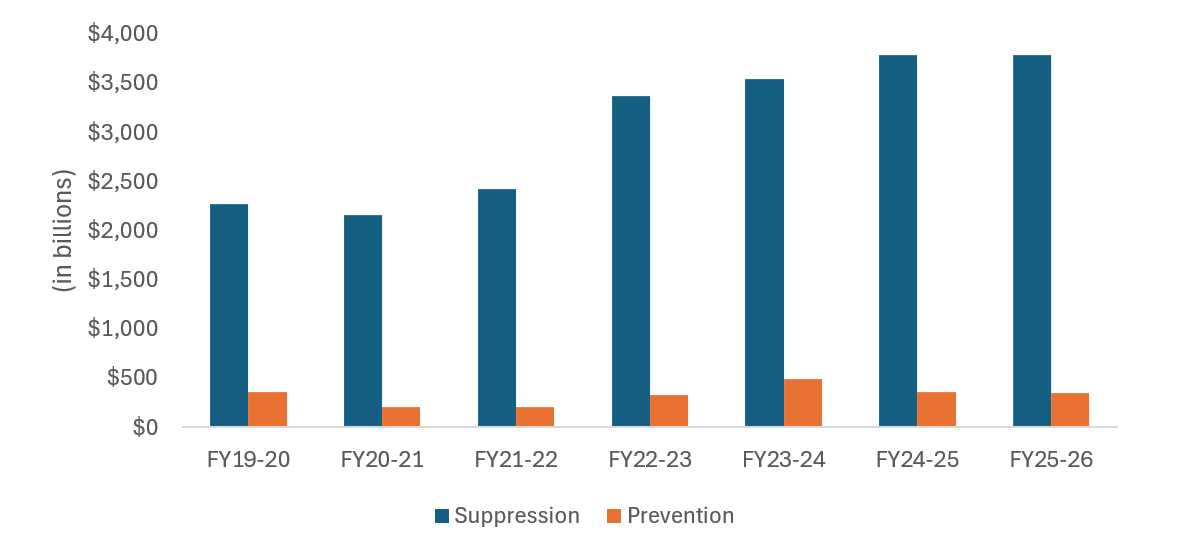
Public spending to suppress wildfires is just the tip of the iceberg. The much larger cost comes from the damage these fires cause. The LA fires have already resulted in more than $23 billion in insurance claim payments, with total damages expected to reach roughly $100 billion. Investing in mitigation reduces those losses before they occur.
To adequately reduce wildfire risk statewide, California needs to spend $4 to $7 billion annually on mitigation. Here are three solutions policymakers could consider to significantly increase mitigation funding with a limited impact on state budgets.
First, California should incentivize the beneficiaries of wildfire mitigation – including insurers, utilities, and local governments – to coordinate and help fund regional wildfire mitigation. A similar approach already exists in the forest sector. The Forest Resilience Bond enables beneficiaries, such as water agencies, to help finance forest restoration because they benefit from healthier forests through improved water supply and quality. California could apply the same beneficiary-pays principle to wildfire risk reduction.
Take insurers. California's insurers manage hundreds of billions of dollars in invested assets. California could require a small portion of those assets to be invested in regional wildfire mitigation. While insurers would commit capital upfront, they would also benefit from fewer catastrophic losses over time.
Utilities present a similar opportunity. Allowing them to direct a portion of existing mitigation funding to actions outside the power line right-of-way would more effectively reduce wildfire risk and therefore lower costs for ratepayers. Figure 2 provides a rough illustration of the broad portfolio of mitigation actions, from landscape-level treatments to various community hardening, necessary to reduce wildfire damages.
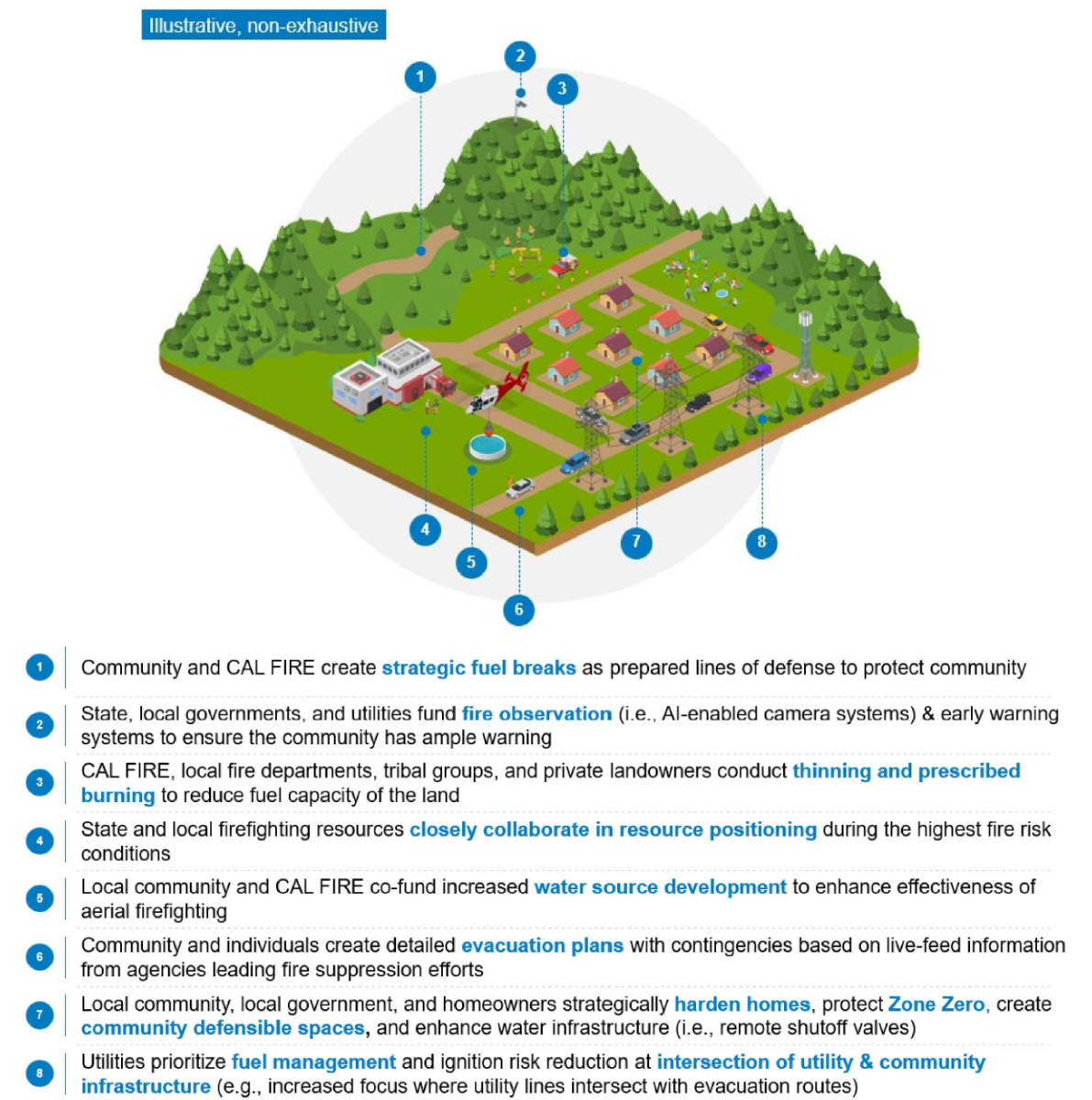
Figure 2: Summary of actions to achieve community wildfire mitigation. Source: IOUs SB 254 submission
Second, California should make home-hardening and defensible space far more accessible. The biggest barrier isn’t homeowner willingness – it's the upfront cost. California could allow homeowners to finance these investments through their property tax bill, spreading the repayment over decades. This would enable many more households to invest in home hardening while reducing future disaster costs. With strong consumer safeguards, this approach could become one of the state's most powerful tools for reducing wildfire risk in the wildland-urban interface.
Finally, California should scale a sustainable bioeconomy to help pay for forest treatments long-term. Forest thinning to reduce wildfire risk generates millions of tons of biomass residues that are often piled and burned, creating significant carbon and air pollution. Developing markets to convert this material into low-carbon products – such as innovative building materials, renewable fuels, and carbon removal – would generate revenue that helps offset the cost of forest treatments. AB 1666 (Rogers) would establish new biomass innovation parks, alongside other policies, to help scale this new industry.
The only way to reduce the cost of wildfires is to reduce the risk of wildfires. That requires investing in mitigation at roughly ten times the scale California does today. While public funding remains essential, California should mobilize private capital and better align the incentives of those who benefit from wildfire mitigation.
Governor Newsom and the Legislature are right to pursue wildfire reform this session. But the package should do more than reshuffle who pays for wildfire damages – it should prevent those damages from occurring in the first place.
* * *
T-minus 19-years to deliver a Net-Zero California